
Overview
The ACL is the most commonly injured ligament in the knee. It typically tears as a result of a sudden change in direction that causes the knee to rotate inwards, generating force through the joint that exceeds the ligament's mechanical strength. This usually happens during sport — most commonly football in men and netball in women — and can result from direct contact, such as a tackle, or more often from a non-contact incident, such as landing awkwardly from a jump. ACL injuries are also seen in sports involving twisting movements, such as skiing, and can occur during accidents like falls or road traffic collisions.
Do you need ACL Surgery?
The decision to proceed with ACL surgery follows a careful history, examination, and review of MRI findings, along with a discussion with the patient. Not everyone with an ACL injury requires reconstruction — a small proportion of patients can regain sufficient knee stability through physiotherapy alone. Whether this is a realistic option depends on a number of factors, best discussed with your consultant knee surgeon.
Surgery is generally recommended for patients whose knee continues to give way despite physiotherapy, even during simple activities like walking, or who experience instability specifically during twisting or turning movements. It is also recommended for those with high physical demands on their knee — including professional athletes, high-functioning non-professionals, and individuals with physically strenuous manual jobs — where full stability is essential.
The Procedure - What to Expect
What is an ACL Reconstruction?
ACL reconstruction is a complex operation designed to restore stability to the knee. Because significant force is usually involved when the ACL ruptures, it is uncommon for the injury to occur in isolation — other stabilising structures within the knee are often affected too. A thorough assessment by a specialist knee surgeon is essential, both to plan the surgery appropriately and to identify any associated injuries, such as meniscal tears, root tears, or ramp lesions, which must be addressed at the same time to ensure a good outcome and minimise the risk of re-injury.
How is ACL surgery carried out?
The operation is performed under general anaesthesia, often combined with a nerve block for effective post-operative pain relief. Surgery is carried out arthroscopically (keyhole surgery), allowing a thorough assessment of the joint. The torn ligament is replaced with new graft tissue, with the type of graft discussed and agreed with each patient beforehand. Any additional repairs identified during surgery — such as to the meniscus — are carried out at the same time, to restore stability and reduce the risk of further injury or graft failure.
Why does Mr. Barkatali use the quadriceps tendon graft?
There are three main autograft options for ACL reconstruction: the hamstring tendon, the patellar tendon (bone-patellar tendon-bone, or BTB), and the quadriceps tendon (QT). Mr Barkatali moved away from the hamstring graft in 2018 in favour of the quadriceps tendon, which remains his preferred choice for the majority of his ACL reconstructions. He has performed the highest number of quad tendon reconstructions in the UK and is regularly asked to speak nationally and internationally on the topic.
This decision is based on three considerations:
- Re-rupture rate — in the published literature, the hamstring graft carries the highest re-rupture rate of the three options, while the quadriceps and patellar tendon grafts perform equally well and better than hamstring.
- Long-term function — harvesting a hamstring graft sacrifices the semitendinosus, a major hamstring muscle, along with the gracilis tendon, leading to a measurable and lasting reduction in hamstring strength, acceleration, and end-range knee flexion.
- Harvest morbidity — although the patellar tendon graft matches the quadriceps tendon's low re-rupture rate, its harvest is more invasive and painful, with higher rates of anterior knee pain and difficulty kneeling afterwards. The quadriceps tendon, by contrast, provides around 50% more graft volume from a thicker, wider tendon, meaning less trauma to obtain a graft of equivalent or superior strength.
Taken together, it is Mr Barkatali's view that the hamstring graft should no longer be the default choice for ACL reconstruction — a position he expects to become more widely adopted across the field over the next five to ten years.
Tunnel placement and graft fixation
Mr Barkatali uses anatomical tunnel positioning on both the femoral and tibial sides, restoring the ACL to its natural footprint rather than a fixed, non-anatomical position. No screws are used for graft fixation; instead, the graft is secured using suspensory fixation on both the femur and tibia. Once fixed, the knee is cycled through 20–40 repetitions of movement before the graft is retensioned — a step that reduces graft laxity that might otherwise only become apparent once the patient resumes activity, resulting in a more stable and predictable outcome from the outset.
Biologically enhanced quadriceps tendon ACL reconstruction
Mr Barkatali has developed a biologically enhanced technique for quadriceps tendon ACL reconstruction, aimed at improving how the graft heals and integrates with bone. Alongside the standard QT autograft, this technique augments the graft-tunnel interface with platelet-rich plasma (PRP) and autologous bone graft, both harvested during the same procedure. The goal is to support faster, more complete osseointegration — the biological process by which the graft fuses with the surrounding bone to become a stable, living part of the knee. This technique has been evaluated in Mr Barkatali's own prospective research, assessing graft healing on MRI at six months after surgery across multiple zones of the graft and tunnel.
Outcomes
- 600+ ACL Reconstruction Surgeries performed
- 300+ Quad ACL Reconstruction Surgeries performed
- <2% re-rupture rate
Healing Begins Here
Explore Our Comprehensive Treatments
5*
<1%
5000+
20+
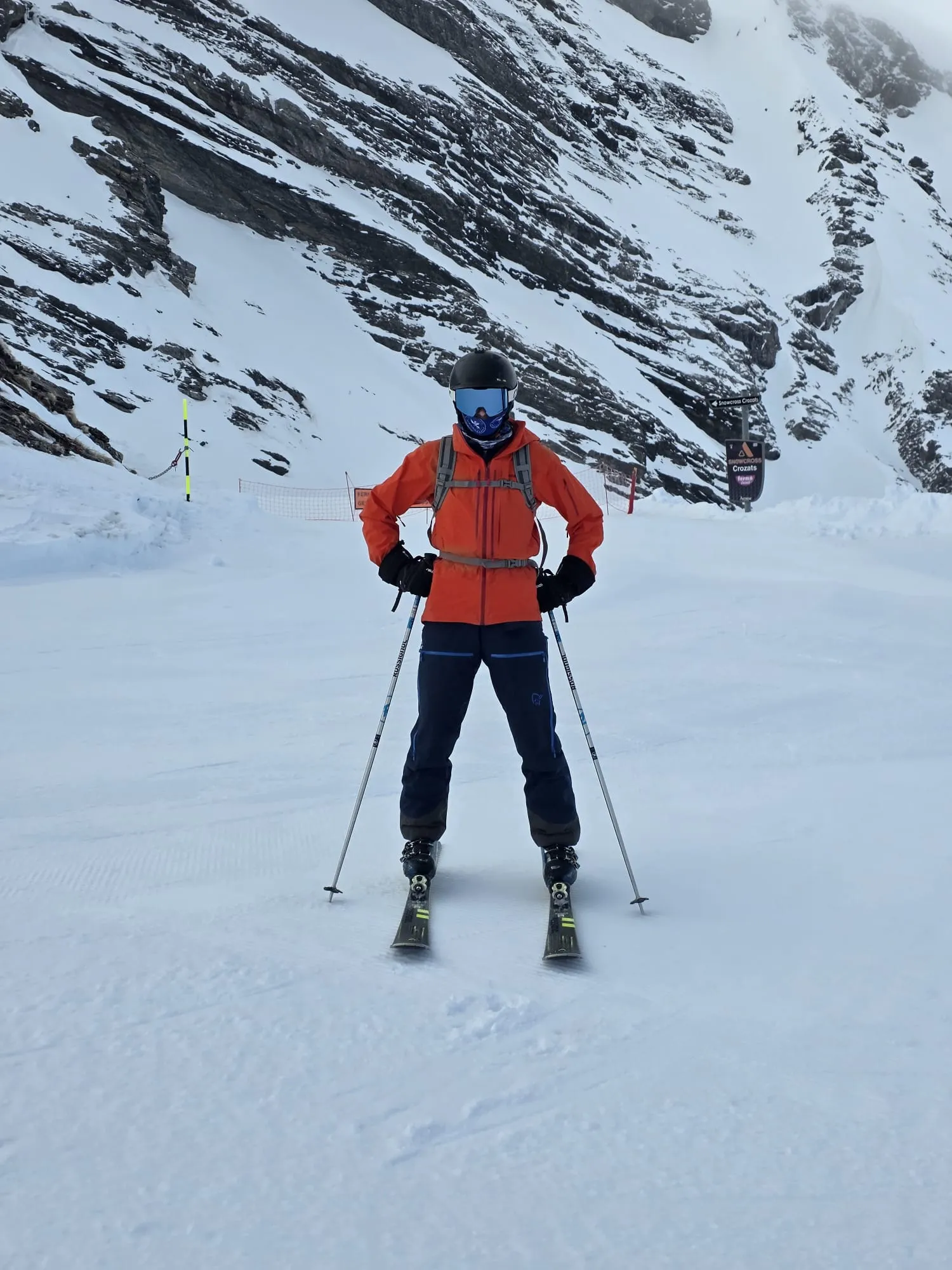

“Bilal performed an ACL recon with quad tendon graft for me back in June 2024. Well, everything has gone superbly since then, and I just want to let him know that I've just finished a week skiing in the Alps. I tore the ACL whilst skiing, and so was a little apprehensive to go back to "the scene of the crime" as it were.
Anyway, it has been a resounding success. My knee has felt great… I just want Bilal to know how delighted I am with my new bionic knee. I am so grateful for his skill and expertise in fixing me up so that I can do this.”
David, Quad ACL Reconstruction in June 2024, aged 53.
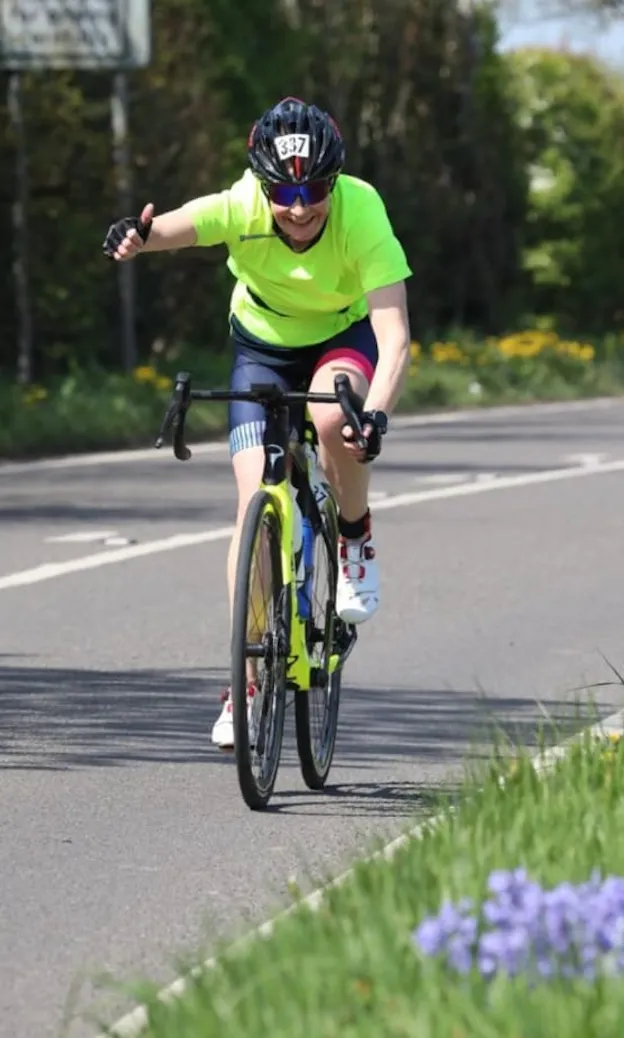
“I had a full ACL reconstruction by Mr Barkatali after a ski accident at 46 years old. The recovery journey was a big one but it got me thinking, what else could I do? Triathlon appealed - I started back on my bike, then going to the pool and Couch to 5k, as part of my recovery. I started small and since then have done 5 triathlons winning my age category in every one - which I couldn’t believe!! I’m the fittest and strongest I’ve ever been. If I hadn’t had the care and focus to support my knee journey, I don’t think I would ever have challenged myself like this!”
Sally, Quad ACL Reconstruction in April 2024, aged 46.
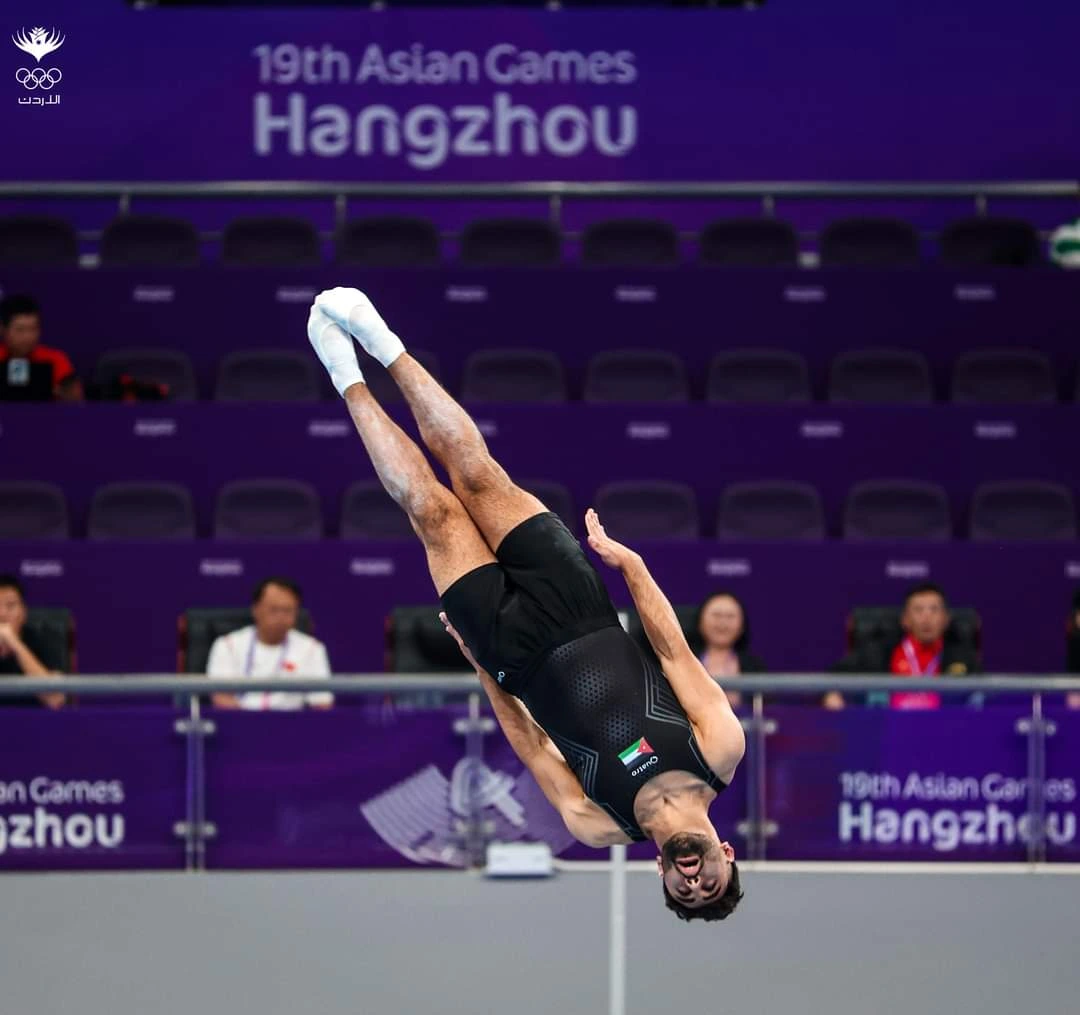
“As an international trampoline gymnast, my knee injury affected far more than everyday life; it threatened a huge part of who I am and what I’ve worked towards for years. Mr Barkatali understood that from day one, and I feel incredibly fortunate he was my surgeon. His skill and expertise were exceptional, and I felt in the best possible hands. His reassurance, honesty and genuine care made an enormous difference. He understood that my goal wasn’t simply to recover, but to return to competing internationally. Being back training means more than I can put into words. I’m forever grateful to Mr Barkatali for his impact on my career and life.”
Bashar Al Turk (GB Trampolinist), Quad ACL Reconstruction in July 2025, aged 22