Overview
The ACL (anterior cruciate ligament) is one of two cruciate ligaments located at the centre of the knee, forming part of a complex network of ligaments that give the joint its stability. It's a short, two-bundle ligament connecting the top of the shin bone (tibia) to the base of the thigh bone (femur), and its main job is to stop the tibia from sliding too far forward beneath the femur — providing around 85% of the restraining force against this movement.
What causes an ACL injury?
The ACL is the most frequently injured ligament in the knee, and ACL tears are among the most common knee injuries seen in sport. They typically occur when the knee suddenly rotates or changes direction under load, placing more force on the ligament than it can withstand. This can happen through direct contact — such as a tackle — or, more often, in non-contact situations like landing awkwardly from a jump. Football is the most common cause in men, and netball in women, though ACL injuries also occur in sports involving twisting movements, such as skiing, as well as in everyday accidents like falls or road traffic collisions.
Symptoms
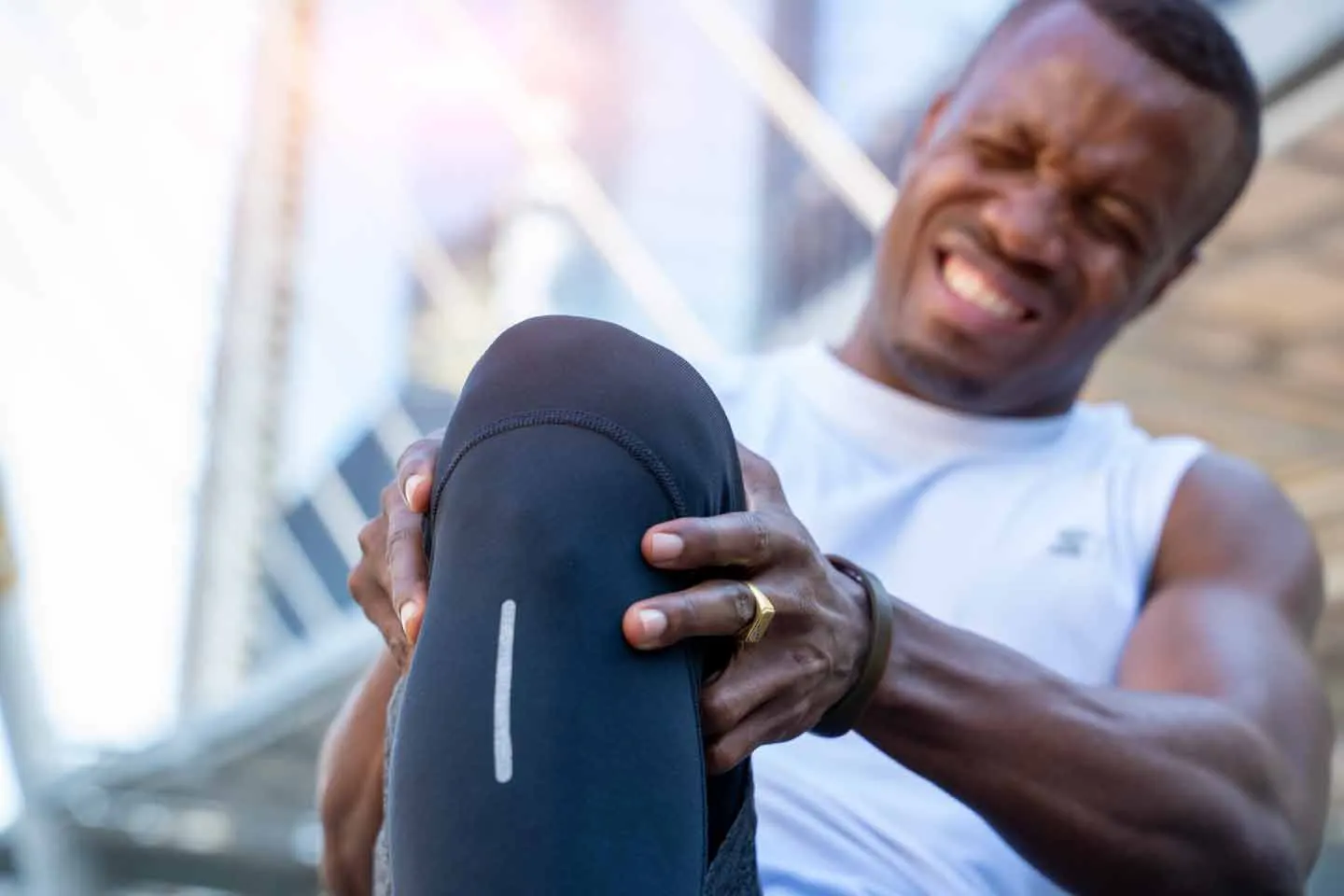
An ACL injury typically causes the knee to swell rapidly — often within minutes — due to bleeding within the joint (known as a haemarthrosis). In the immediate aftermath, it's usually difficult to put weight on the leg, and movement in the knee is significantly restricted because of the swelling and pain. It's important to seek prompt advice from a medical professional at this stage.
Initial treatment usually involves icing the knee and gently maintaining movement where possible. Swelling and pain generally begin to settle over two to three weeks, with movement gradually improving during this time.
Treatment
The decision to proceed with ACL reconstruction surgery follows a thorough history, examination, and MRI review, alongside a conversation with the patient. Not everyone needs an ACL reconstruction — some patients regain sufficient stability through physiotherapy alone. Whether that's realistic depends on several factors, best discussed with Mr Barkatali.
Surgery is generally recommended when the knee keeps giving way despite physiotherapy — even during everyday activities like walking — or when instability strikes during twisting and turning. It's also advised for those who place high demands on the knee, including professional athletes, high-functioning non-professionals, and people in physically strenuous jobs, where full stability is essential.
Other conditions