Overview

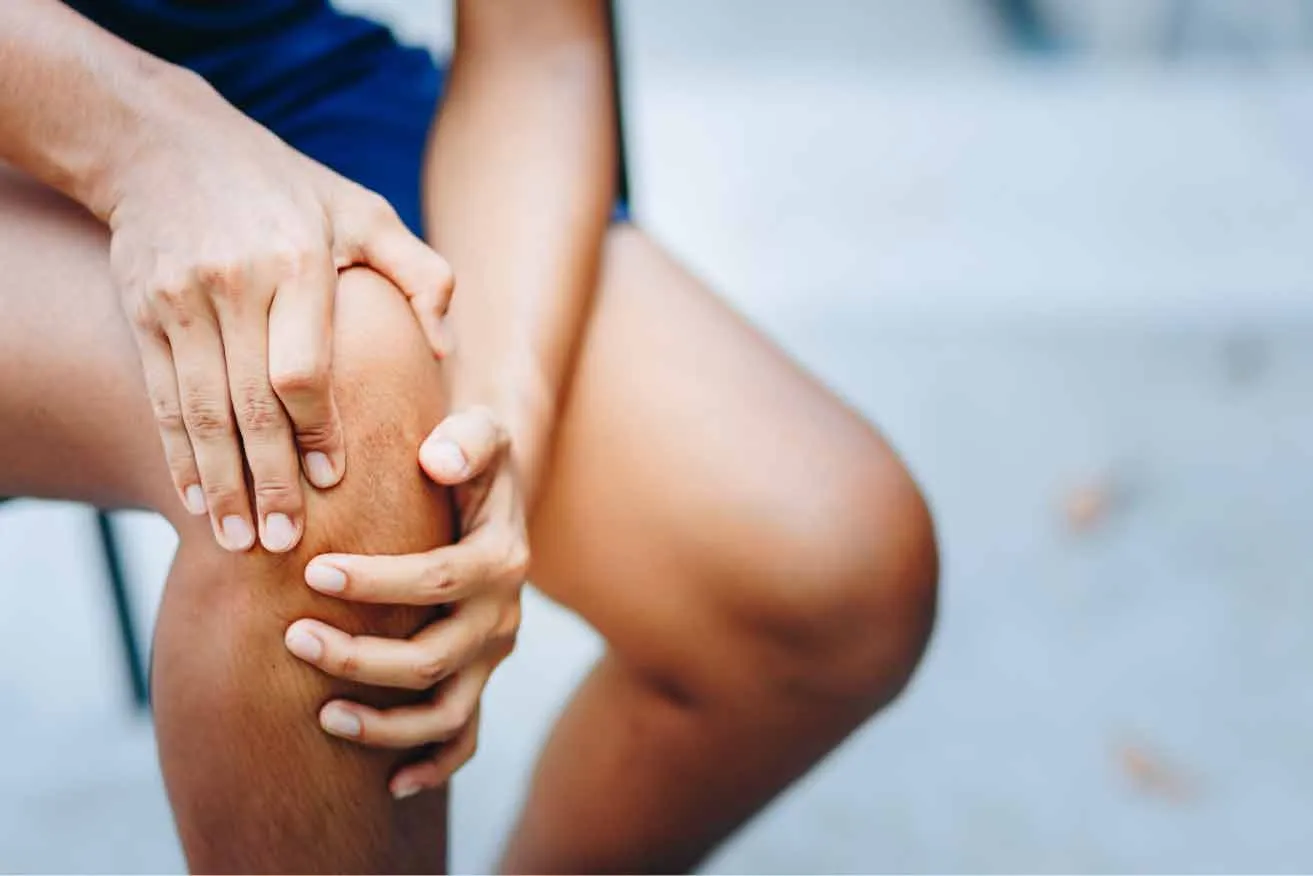
The meniscus is a C-shaped piece of cartilage, triangular in cross-section, that sits between the femur and tibia on both the inner (medial) and outer (lateral) sides of the knee. Each knee has two menisci, slightly different in shape and function, whose main role is to protect the cartilage surfaces of the femur and tibia from the substantial forces travelling through the knee — whether during everyday walking or intense exercise.

The meniscus is anchored to the top of the tibia at its front and back (the anterior and posterior horns), with further attachments running around the knee via the joint capsule. This capsule also supplies a limited blood supply to the outer edge of the meniscus. Only the outer third of the meniscus receives blood flow; the inner two-thirds has no direct blood supply at all.

What causes a meniscal injury?

Meniscal tears are one of the most common knee injuries in sport, particularly in activities involving twisting and pivoting movements. As we age, the meniscus naturally becomes less resilient and more prone to tearing. Tears are classified in various ways — including vertical, horizontal, bucket-handle, parrot-beak, and complex patterns — and can occur on their own or alongside more significant injuries such as an ACL rupture.

Symptoms

The symptoms of a meniscal injury can vary depending on the size, location, and type of tear, but commonly include:

  • Pain, particularly along the joint line during or after activity
  • Swelling in the knee, which may develop gradually over 24–48 hours
  • A sensation of catching, clicking, or locking within the joint
  • Reduced range of movement, particularly difficulty fully straightening the knee
  • A feeling of instability or the knee "giving way"

Because these symptoms can overlap with other knee conditions, an accurate diagnosis — often supported by an MRI scan — is important to identify the exact nature and extent of the tear and to guide the most appropriate treatment.

Treatment

The right treatment for a meniscal tear depends on several factors, including:

  • The patient's age
  • Their level of activity
  • The type and pattern of the tear
  • The severity of their symptoms

The most concerning symptoms — the knee locking or giving way — usually call for surgical treatment, regardless of the patient's age. If pain is the only symptom, without locking or instability, a structured course of physiotherapy over at least three months is typically recommended first. Should symptoms persist beyond this point, further discussion is needed to determine whether surgery is the most appropriate next step.

Frequently asked questions

A root tear occurs when the meniscus becomes detached from its attachment point at the back of the knee. This type of injury has only been well recognised over the past 5–10 years, and surgical techniques to repair it have developed more recently as a result.

Root tears are a serious injury and should always be carefully assessed during knee arthroscopy. They can occur in isolation but are frequently seen alongside ACL ruptures. Once the root detaches, the meniscus loses its ability to function — it can no longer absorb or spread the forces moving through the knee, effectively behaving as though the meniscus were no longer there. Left unaddressed, this significantly accelerates the development of osteoarthritis in the joint.

For this reason, checking for a root tear is a critical step during ACL surgery. If identified and repaired, the joint’s natural mechanics can be restored. If missed, however, the knee remains at greater risk of a further ACL rupture.

A ramp lesion — also known as menisco-capsular dissociation — occurs when the medial meniscus separates from the capsule at the back of the knee. Unlike a typical tear, it can look deceptively like a healthy meniscus to the untrained eye, which means it’s sometimes overlooked by surgeons without specialist knee experience. Ramp lesions usually occur alongside an ACL rupture, and if missed during ACL reconstruction, they can leave the knee inherently unstable — placing extra strain on the reconstructed graft and increasing the risk of further injury or re-rupture.

Ligament injuries, like an ACL tear, tend to cause a feeling of the knee being unstable during pivoting motions. Meniscus tears more often cause mechanical symptoms — catching, locking, or a sharp pain when twisting or squatting — though the two can occur together.

Mr Barkatali will examine the knee, often using specific tests that stress the joint line to reproduce your symptoms. An MRI is the most reliable way to confirm a tear and see its exact size, shape, and location.

No. Many tears — particularly smaller ones, or degenerative tears in older adults — respond well to non-surgical treatment: rest, physiotherapy, and anti-inflammatory medication. Surgery is generally reserved for tears that cause locking, persistent pain, or don’t improve with conservative care.

The meniscus unfortunately does not have very much healing capacity, and so it is unable to heal itself. Once torn or degenerate, it will remain so. However, the symptoms produced by the tear do settle down and the knee can become asymptomatic and pain free in around 50% of patients with surgical intervention. If badly torn and unstable, then only surgery can help to repair the damaged tissue.

You can lower your risk with exercises that build leg and core strength, maintaining a healthy weight to reduce joint stress, warming up before sport, and using proper technique when squatting, lifting, or pivoting.

You should see a knee specialist if you have knee pain along the joint line, swelling that doesn't settle within a few days, or if your knee catches, locks, or feels unable to fully straighten. If you have significant mechanical symptoms then please do seek an opinion.

Please use the link below to make an enquiry and we will be in touch to book an initial appointment with Mr Barkatali.

Thank you! Your submission has been received!
Oops! Something went wrong while submitting the form.