
Overview
The patellofemoral joint is a very complex joint at the front of the knee, formed by two bones: the patella (kneecap) and the front portion of the femur (thigh bone), just beneath the kneecap. The patella sits within a groove on the femur known as the trochlea, and this joint relies on a delicate interplay of muscles, tendons, ligaments, and bony anatomy to function correctly. A problem with any one of these components can lead to pain and instability around the patellofemoral joint.
What is Patellofemoral Pain Syndrome (PFPS)?
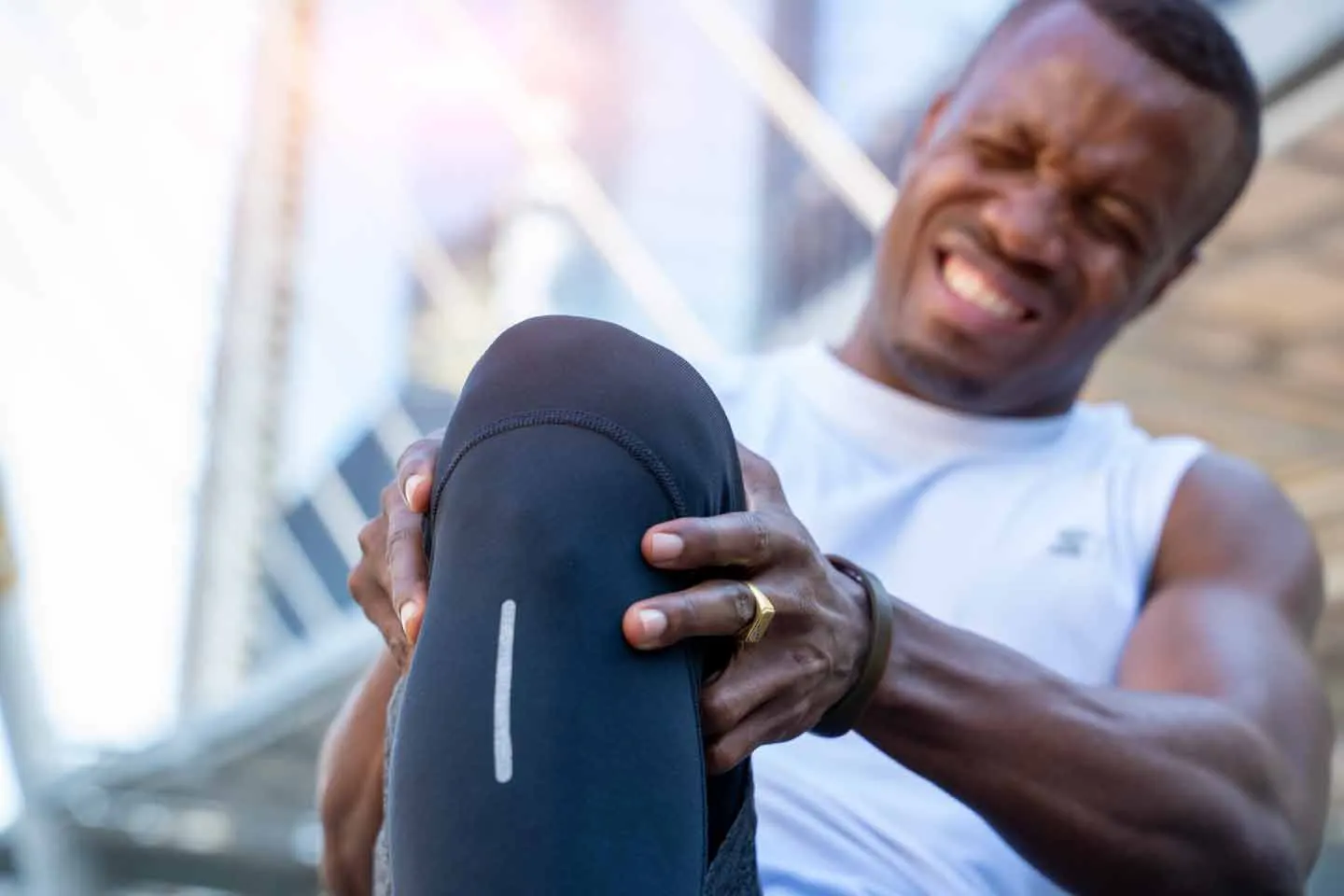
Patellofemoral Pain Syndrome is a common condition causing pain at the front of the knee, affecting athletes and non-athletes, and men and women of all ages. It's sometimes referred to as chondromalacia patella or patellofemoral disorder — these terms are used interchangeably with PFPS or anterior knee pain.
What causes Patellofemoral Pain Syndrome (PFPS)?
The exact cause of anterior knee pain isn't fully understood, but it's commonly linked to overloading of the patellofemoral joint, particularly in people who take part in sports involving running or jumping, such as tennis, football, or badminton.
It can also affect non-athletes, often due to softening of the cartilage behind the kneecap (chondromalacia patella), which means that even normal, everyday forces through the knee can begin to cause pain.
A number of factors may contribute to anterior knee pain, including:
- Abnormal movement or tracking of the patella
- Weakness in the surrounding muscles
- Poor gait or training errors
- Tightness in surrounding structures, such as the iliotibial (IT) band
- Previous injury to the front of the knee
Symptoms
Patellofemoral pain syndrome typically presents as a dull, aching pain around or behind the kneecap, often creeping in gradually rather than following a specific injury. Common symptoms include:
- Pain that worsens with squatting, kneeling, or climbing stairs
- Discomfort after prolonged sitting with the knee bent (the classic "moviegoer's knee")
- A grinding or grating sensation when bending or straightening the knee
- Mild swelling around the kneecap
- Pain that flares with running, jumping, or other repetitive knee-loading activities
Symptoms are usually gradual in onset and tend to worsen with activity, easing with rest — though without addressing the underlying cause, they often become a recurring, nagging problem.
Treatment
Physiotherapy is the cornerstone of treatment if the problem is due to muscle weakness or gait imbalance. A structured program targeting hip, thigh, and core strength — along with flexibility and movement retraining — helps correct the mechanics that overload the kneecap. Most people improve significantly without any need for surgery.
Many people notice improvement within 6 to 8 weeks of consistent physical therapy, though full resolution can take a few months, especially for symptoms that built up gradually over a long time. Consistency with the exercise program tends to matter more than any single quick fix.
Surgery is only indicated if there is a significant mal-tracking or anatomical problem or if after assessment, we find a different cause for the pain such as patella-femoral cartilage damage or osteoarthritis
Other conditions