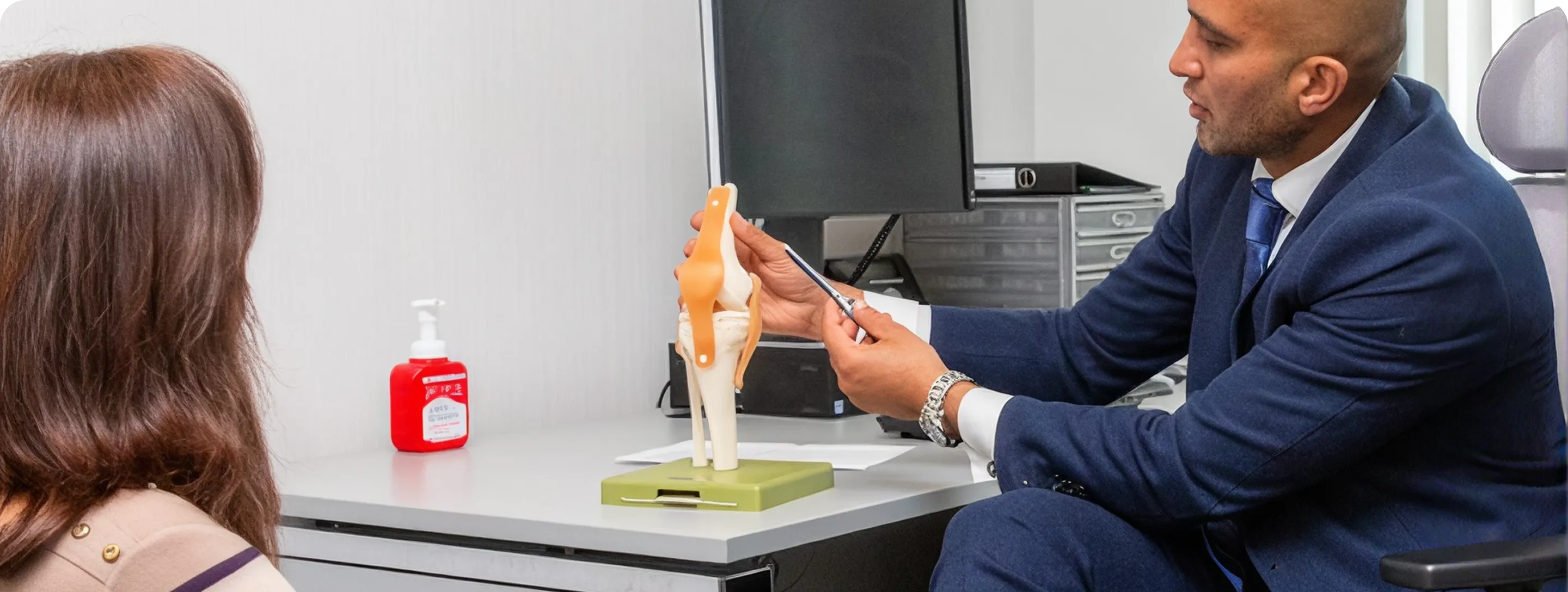
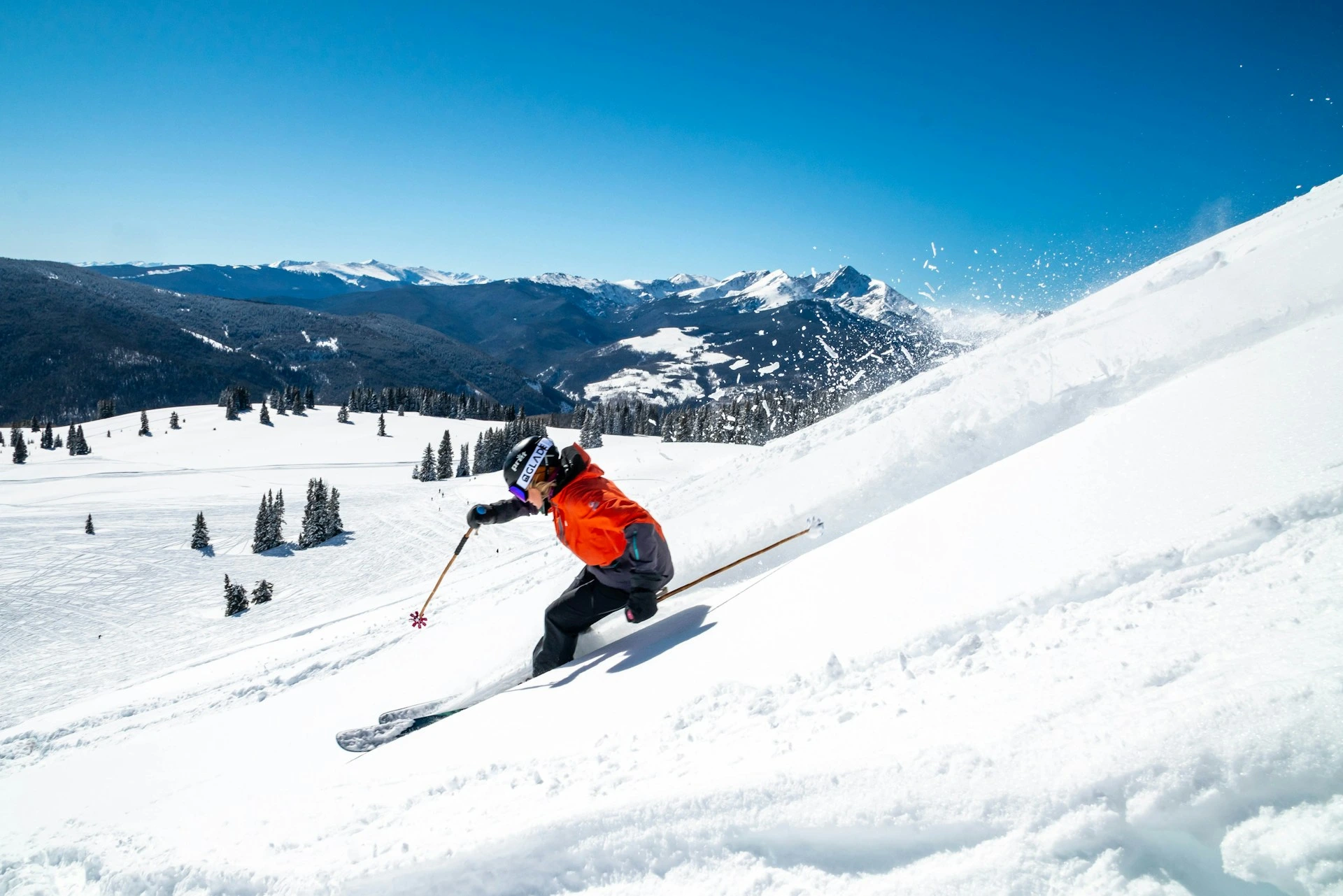
Heading to the slopes? In the December 2025 issue of Inside Magazine, Mr Bilal Barkatali shares his top tips for avoiding ski knee injuries, and what to do if your ACL goes.
Download the full article here.
Whether you’re carving turns on the snow, chasing a tennis ball, or kicking a football, your knees take a lot of the load. They’re amazing joints, but they’re also among the most commonly injured, especially in sports that involve twisting, turning, or sudden stops.
A bit of preparation goes a long way toward keeping your knees happy, and some top tips to protect your knees are:
- Warm up and strengthen – Focus on exercises that target the quadriceps, hamstrings, glutes, and core. These muscles stabilise the knee and absorb shock.
- Check your equipment – Properly adjusted ski bindings, supportive boots, and appropriate footwear can prevent excessive twisting or sudden stops.
- Mind your technique – Avoid letting your knees collapse inward and keep your weight balanced over your feet.
- Stay flexible – Stretch before and after skiing or sports to maintain joint mobility.
Know your limits – Fatigue and loss of focus are major risk factors for injury late in the day.
However, unfortunately even with taking appropriate precautions, sometimes injuries can happen. If your knee does get injured, don’t ignore it — getting the right care early can make recovery much smoother. For minor sprains or strains, start with RICE: Rest, Ice, Compression, and Elevation. For more serious injuries, like ligament or cartilage tears, a brace may be needed, guided rehab, or even surgery, depending on the severity. Always check in with a health professional for a proper diagnosis and treatment plan.
At The Knee Clinic Manchester, ski-related knee injuries are seen every winter, with the ACL being the most commonly affected structure.
The ACL is a short ligament in the centre of the knee that prevents excessive forward movement of the tibia (lower leg) and plays a key role in rotational control. The most common mechanism of injury? A slow fall, often within the first few metres after getting off the ski lift — the infamous “killer five metres”!
As ski boots protect the feet and ankles so well, any twisting or rotational force is transferred directly to the knee. When that force exceeds the ligament’s strength, the ACL can rupture — sometimes with a loud snap.
If this happens, you’ll likely be rescued and taken to a local hospital for assessment, X-rays, and an MRI scan. Your knee will be braced, you’ll be given crutches, and pain relief will be started. This is where your treatment abroad should end. ACL ruptures are best treated once the swelling has gone down and with a full range of movement (usually around 6 weeks after injury) to avoid arthrofibrosis.
Mr Bilal Barkatali is a Consultant Specialist Knee Surgeon with extensive expertise across all areas of knee surgery. In 2017, he established The Knee Clinic Manchester with the aim of delivering the highest standard of care to patients requiring knee procedures, with clinics at The OrthTeam Centre, The Spire Manchester and The Alexandra.
The Knee Clinic Manchester is recognised for pioneering advanced surgical approaches, including the Quadriceps Tendon ACL Reconstruction — the fastest-growing graft choice for ACL repair in the US. Mr Barkatali is the UK leader in this technique, and favours the quad graft for its combination of strength, durability, and low re-rupture rates, while preserving hamstring function.
If you do, unfortunately, injure your knee this winter, please get in touch to begin your journey to get you back to full knee health.